- Two NTV journalists are now fearing for their safety after exposing a scam hidden in a church.
- The exposé showed Yahweh Media Services using fake miracles and illegal gambling to deceive followers.
- The journalists have since received strange, silent calls, raising concerns for their lives.
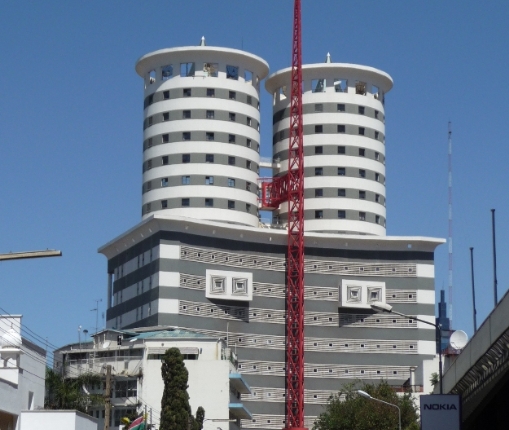
- Nation Media Group reported the threats to Nairobi police commander George Seda.
- The Communications Authority has now banned Yahweh Media Services for breaking media rules.
- There is growing worry as brave journalists continue to risk their lives while chasing the truth.
Tension has hit Ibrahim Karanja and Frederick Muitiriri, the NTV journalists who exposed Yahweh Media Services in the recent investigative feature titled Sacred Swindlers.
In their Sunday, May 25 exposé, the so-called church was found to be misleading believers using false miracles and gambling disguised as spiritual activities.
Not long after the story aired, the journalists started receiving disturbing anonymous calls. Though the calls are silent, the feeling is heavy. The message is clear—they are not safe.
Authorities Respond as Pressure Mounts
Following these incidents, Nation Media Group (NMG) acted quickly on Monday, May 26, by filing a formal complaint to Nairobi Regional Commander George Seda.
“This is therefore to formally record the perceived threats to the safety and lives of the said reporters, and to request investigations into the sources of the threats.”
Read part of the official letter to the police.
The Communications Authority of Kenya (CA) has since moved in to take action. The regulator banned Yahweh Media Services for violating licensing terms and running unauthorised betting promotions.
“Even with the directives to suspend advertising of all gambling-related content, a review by the Authority revealed the continued airing of such prohibited content by some broadcasters,”
said the CA.
But despite the steps taken by both NMG and CA, the threat still hangs over the heads of the journalists who dared to speak out.
This situation is part of a growing trend in Kenya, where journalists who expose lies and corruption face serious risks. While the public praises their bravery, their safety remains uncertain.