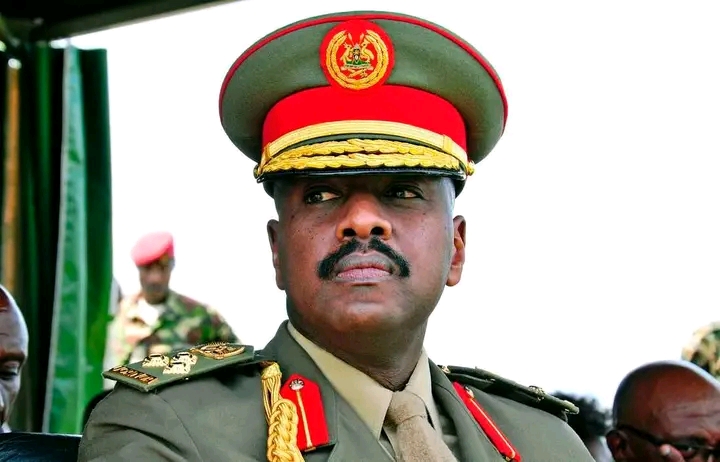
- Muhoozi bans female UPDF soldiers from wearing trousers, insisting skirts are the only acceptable uniform.
- The move has sparked anger from human rights groups and gender advocates who see it as outdated and sexist.
- Muhoozi also threatens to expel EU officials over links with opposition leader Bobi Wine.
In a decision that has raised eyebrows both locally and abroad, General Muhoozi Kainerugaba has ordered all female soldiers in the Uganda People’s Defence Forces (UPDF) to stop wearing trousers. According to the commander, skirts are now the only acceptable dress for women in the military.
Using his X (formerly Twitter) platform, Muhoozi declared, “Trousers are for men, not for women,” making it clear that his order was final. He even warned those who defy the directive would face serious consequences. Critics have condemned the policy as outdated and sexist, saying it limits female soldiers’ comfort and professionalism.
Rising Tensions with the EU and Foreign Observers
The UPDF commander didn’t stop at military matters. He turned his attention to the international community, especially foreign diplomats who show any form of support to Uganda’s opposition leader Bobi Wine. Muhoozi warned that foreigners who are “not fully behind” President Museveni could be expelled before the 2026 elections.
In a strong message on X, he wrote, “The white people who don’t support Mzee 100% should watch themselves. We will deport them in public.” He even targeted the European Union’s Uganda office, threatening sanctions and saying Museveni had given him approval to act.
Museveni Hints at Another Term
While Muhoozi is taking a hardline approach online, his father President Yoweri Museveni seems to be preparing for another shot at the presidency. Though there were hints that the 79-year-old might step down, he has recently stated that many Ugandans are still urging him to continue leading.
Museveni has been in power since 1986, winning six elections that have often been marked by allegations of unfair play, vote rigging, and heavy-handed crackdowns on opposition parties and protestors.
A Nation Slipping into One-Family Rule?
With Muhoozi’s growing influence and constant online threats, many political observers now see Uganda moving closer to a system dominated by one family. The blending of military power, government leadership, and family ties is becoming more evident with each new development.
Uganda’s human rights record has also worsened in recent years. Several rights organizations have documented abuses, including abductions of opposition members, police brutality, and suppression of freedom of speech.
A Turning Point for Uganda
Muhoozi’s new rules for female soldiers and his threats toward international observers are not isolated incidents. Together, they point to a broader strategy of tightening control—over women, over critics, and over the election process itself.
With the 2026 elections approaching, Uganda is heading into uncertain waters. What’s at stake goes beyond ballots—it’s about the country’s democratic path, its civil freedoms, and whether military and political power can be separated again.
As the global community watches closely, one message rings loud: the future of Uganda is being shaped not just in polling stations, but also in uniforms, tweets, and behind-closed-door threats.