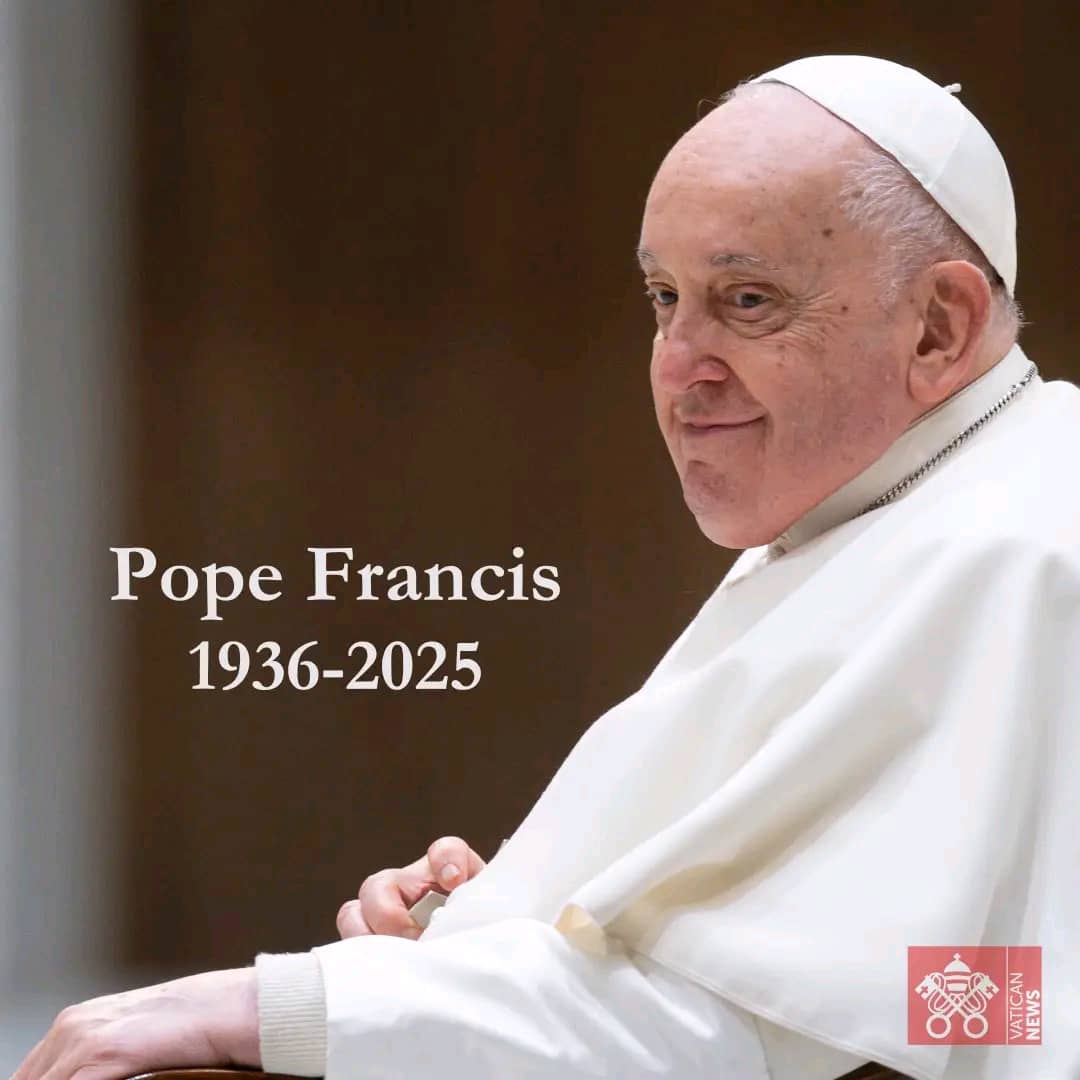
- A breakdown of tradition, mourning, and transition in the Catholic Church
- A nine-day mourning period known as novemdiales follows the Pope’s death.
- The funeral is set between the fourth and sixth day after passing, unless special reasons delay it.
- Burial usually happens within four to five days, often in line with the Pope’s personal wishes.
- A secret conclave is held to elect a new Pope, involving only cardinals below the age of 80.
- The new pontiff is revealed to the world with the historic announcement, “Habemus Papam!”
When a pope dies, the Vatican launches a carefully structured and time-honored process. The mourning phase, known as novemdiales, spans nine full days. This period is marked by a series of solemn rituals, with cardinals leading prayers and the faithful given a chance to view the Pope’s body as it lies in state.
For example, when Pope John Paul II passed, his remains were first displayed privately for Vatican staff before being moved to St. Peter’s Basilica, where over a million mourners came to pay their last respects ahead of his funeral.
Funeral Date Is Set by Cardinals
The decision on when to bury the pontiff rests with the College of Cardinals, who must schedule the funeral between the fourth and sixth day after death. However, adjustments can be made in exceptional situations.
Interestingly, Pope Francis, in his autobiography published in 2025, described traditional funeral customs as “too elaborate” and noted that he personally requested a simplified ceremony without the usual catafalque or triple-coffin tradition.
Burial Carried Out Within Days
Burial typically occurs within five days. The Camerlengo, a high-ranking Vatican official, oversees funeral preparations and ensures the deceased pope’s final wishes are honored.
During Pope John Paul II’s funeral in 2005, over 160 cardinals participated in the Mass led by Cardinal Joseph Ratzinger. Millions joined the ceremony virtually, and global leaders, royals, and dignitaries filled St. Peter’s Square.
Unlike John Paul II, Pope Francis revealed his preference to be buried at Santa Maria Maggiore, explaining that the Vatican was the site of his final service, not his eternal resting place.
The Conclave: Choosing the Next Pope
Following the pope’s burial, focus shifts to the conclave — the secretive meeting where eligible cardinals vote to elect the new leader of the Catholic Church.
Only cardinals under 80 years old can vote. The process, led by the Camerlengo, usually begins two to three weeks after the pope’s death. It takes place inside the Sistine Chapel, sealed off from the outside world.
Voting continues until a consensus is reached. Black smoke signals indecision, while white smoke announces a successful election.
In 2005, after only four rounds of voting, Cardinal Ratzinger emerged as the chosen successor, becoming Pope Benedict XVI.
The World Meets the New Pope
Once a new pope is elected, he is asked if he accepts the position and what name he will assume. After these formalities, the chosen one is dressed in papal robes and steps onto the balcony of St. Peter’s Basilica.
A cardinal then proclaims the famous words: “Habemus Papam!” — meaning “We have a pope!”
Benedict XVI’s election was announced on April 19, and he was officially installed five days later. His first journey as pope was to his homeland, Germany, that same August.
This age-old process, both sacred and symbolic, reflects the Church’s deep traditions and its mission to maintain unity, even in times of loss.