- 261 Kenyan officers trained for Haiti deployment are still grounded due to missing gear and logistics.
- Ambassador Monica Juma says the mission cannot proceed without urgent global intervention.
- Only 40% of the required MSS personnel are active in Haiti amid worsening gang violence.
- The United States and France have contributed, but major resource gaps persist.
- UN warns the crisis could push Haiti to total collapse if support delays continue.
- Dr. Juma urges immediate international backing to stabilize the fragile nation.
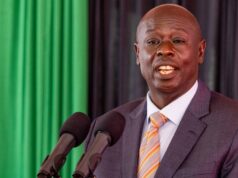
Despite being fully trained and ready for deployment, 261 Kenyan police officers are still stuck at home, unable to begin their mission in Haiti. According to Kenya’s Ambassador to the UN, Dr. Monica Juma, the delay is caused by an alarming shortage of equipment and logistical resources required to get them on the ground.
Urgent Call for Action from UN Envoy
Addressing the United Nations Security Council on Monday, Dr. Juma described the situation as “dire” and called for rapid intervention. She expressed disappointment over the slow pace of support for the Multinational Security Support (MSS) Mission, stressing that without the tools to function, the mission risks failure.
“The Kenyan officers are prepared but cannot be deployed without the essential support. This moment calls for urgent, coordinated action,” she stated.
MSS Mission Struggling with Personnel Deficit
Although the MSS operation launched in Haiti in June 2024, it currently runs with fewer than 40% of the personnel needed. This shortage has limited its ability to respond effectively to the growing insecurity across the country, where gang violence has become widespread.
Still, the mission has managed to carry out essential duties, including securing key government sites, maintaining humanitarian corridors, and confronting armed groups. Some of these confrontations have resulted in casualties, underlining the volatile state of the country.
International Aid Falling Short
While the United States remains the main financial backer of the MSS Mission, it has started voicing concerns about the long-term sustainability of its funding. France recently pledged $10 million, but the funding still falls far short of what is needed to keep the operation fully functional.
UN officials are growing increasingly alarmed, warning that inaction could result in Haiti’s total collapse.
Violence Spiraling Out of Control
Haiti continues to grapple with deadly violence fueled by criminal gangs. More than 1,000 people have been killed, and tens of thousands have been displaced, straining what remains of the country’s fragile infrastructure.
Air operations, emergency aid deliveries, and transport of critical supplies have been severely disrupted due to the insecurity.
Juma: Supporting Haiti Is a Global Responsibility
In her closing remarks, Dr. Juma made a passionate appeal for a united global effort to save Haiti from spiraling further into chaos.
“This is not about choice—it is a necessity. Every member state must step up support to Haiti’s security mission. The lives of the Haitian people depend on it,” she declared.
As the situation remains on edge, international observers stress the importance of swift, consistent aid and backing to restore peace in Haiti.